
Whoa! This whole Solana wallet scene moves fast. I remember the first time I connected a market site and my browser felt like it was holding my wallet’s fate in its tab—uh, yeah that was a weird feeling. At first I thought browser wallets were all the same, but then I started poking around, testing swaps, sending tiny amounts, and the differences became obvious. My instinct said be careful, though; something felt off about sites that asked for approvals without clear context.
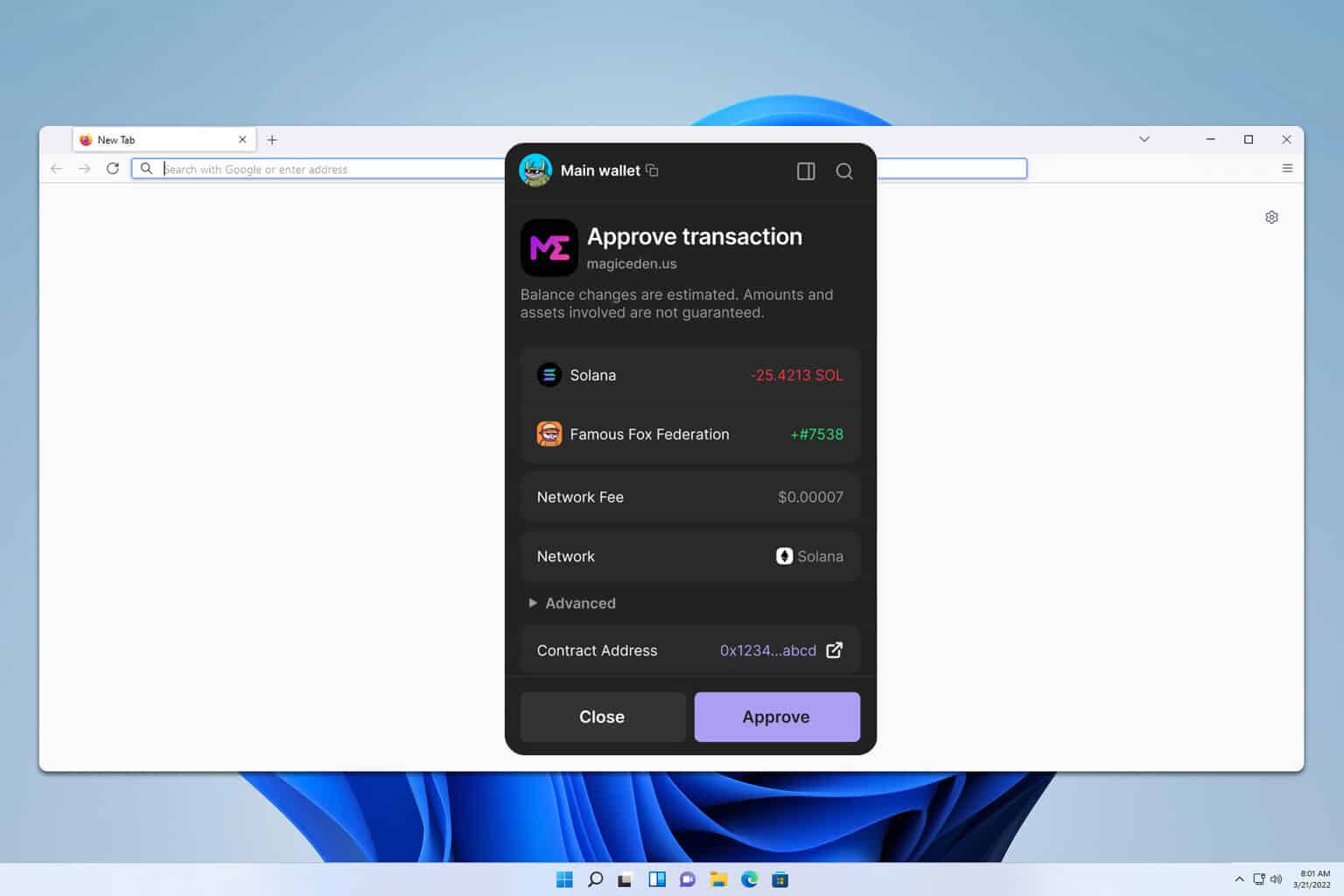
Seriously? Browser extensions can be secure. They can also be sloppy. The trick is picking one that balances UX and safety without pretending it’s a bank. Phantom has that kind of polish—clean UI, clear signing prompts, and NFT-centric features that matter to collectors (like me). I’m biased, but after months of use it’s saved me time and a few dumb mistakes. Initially I thought it was just a pretty face, but then I realized the subtle confirmations and transaction breakdowns really do reduce accidental approvals.
Okay, so check this out—if you want to add Phantom to Chrome or other Chromium-based browsers there’s a download page you can trust. phantom wallet is where I point friends when they ask which link to use, because it eliminates a lot of search-time anxiety. Hmm… the link takes you to a straightforward page with extension options and notes about permissions. On one hand it’s simple, though actually, wait—let me rephrase that: it’s simple in a deliberate way that avoids hiding dangerous permissions behind techy terms.
Here’s what bugs me about some wallet extensions: they request blanket permissions or provide vague transaction descriptions. Phantom generally avoids that, offering explicit approval dialogs and clear human-readable summaries. My habit now is to read every line—yeah I know that’s extra—but those tiny details have caught me more than once. Also, the way Phantom handles NFT metadata and previews is neat; seeing the art before signing is reassuring.
Hmm… wallets are about trust and ergonomics. The Phantom extension nails onboarding for people who are new to Solana yet still gives power users keyboard shortcuts and deeper settings. On the surface it looks modern and friendly; under the hood it supports advanced features like token swaps via on-chain aggregators, token management, and connected-app controls that let you see which dApps have permissions. That visibility is a huge deal if you want to manage access without losing your mind.
Security Habits I Actually Use
Wow! Security isn’t glamorous, but it’s everything. I always back up the seed phrase offline (paper, not a screenshot), and I rotate small test transactions before moving big balances. Seriously, test with a few lamports or a dime-equivalent—I’ve sent tiny transfers to confirm addresses many times, because address formats can be tricky and mistakes are expensive. On the other hand, Phantom gives clear warnings when an approval could be risky, and though it’s not foolproof it raises the bar compared with many others.
Something I tell friends: never click random “Install” links from Discord or social posts. Instead, go to a known page or the browser store explicitly. I’m not 100% sure every listing is perfect, but the official download sources help reduce impersonation risks. (Oh, and by the way… keep your seed phrase off cloud backups—that one gets repeated a lot because it’s true.)
My workflow has a few practical tweaks. I use separate browser profiles for high-value wallets and for casual browsing, and I lock the wallet when I step away. Initially I thought juggling profiles was annoying, but over time it saved me from accidental approvals on sketchy sites. Actually, letting your browser remember too many connected dApps is a slow creep; periodically revoke permissions you don’t use.
One more nitpick: mobile compatibility. Phantom’s mobile app is improving, and the extension sync between desktop and mobile (via secure methods) is getting smoother. It’s not flawless yet—there’s room for latency improvements—but it’s usable for NFT viewing and light trading. If you’re heavy into auction timing or muscle-memory swaps, stick to desktop for now.
Things I wish were better? Transaction explainers that translate gas and fee changes into plain-dollar impacts in real time. Something that says, hey, this approval could cost the equivalent of a lunch today if slippage spikes. That would stop very very costly mistakes.
Practical Tips for NFT Collectors on Solana
Whoa! NFT flows are different on Solana than on other chains—cheaper fees, faster confirmations, and a host of unique marketplaces. When you connect Phantom to a marketplace, watch the requested permissions: are they asking to sign a single transaction or to manage tokens broadly? Small scopes are typically safer. I’m not an infallible guru, but my tactic is cautious: approve minimal scopes and then expand only when necessary.
Also, set up token labels for addresses you use frequently (some wallets let you). It sounds nerdy, but labeling avoids sending art to the wrong collection vault. I once almost sent a limited mint to a cold wallet address I’d mistyped in my head—luckily the preview stopped me. Proof that previews and clear UI matter.
For collectibles, enable metadata previews and thumbnail checks (Phantom supports this). That way you see the image and attributes before a transfer completes. On the flip side, be aware that metadata can be mutable; some projects host images off-chain and could change, so follow project provenance if you care about permanence.
Frequently Asked Questions
Is the Phantom browser extension safe for NFTs?
Pretty much—when you use it with good security habits. Phantom provides clear signing prompts, NFT previews, and per-app permissions. But safety depends on your behavior too: verify download sources, back up seeds offline, and double-check transaction details before approving.
Can I use Phantom for swaps and marketplaces?
Yes. Phantom integrates with on-chain swaps and many Solana marketplaces, making it easy to trade tokens and buy NFTs. For large trades, consider checking aggregator rates and watching slippage settings to avoid surprises.